Tackling Tumors: How Sports and Wellness Play a Crucial Role in Cancer Recovery
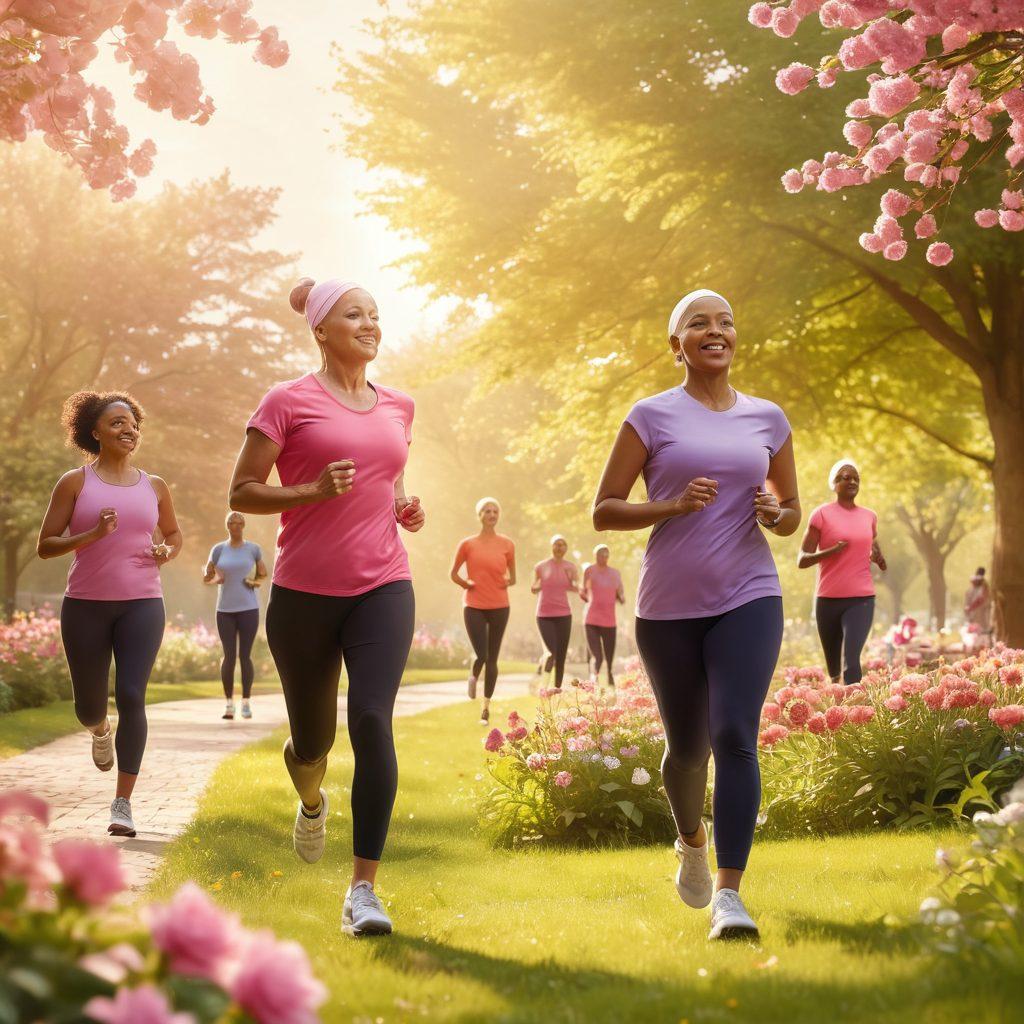
Imagine standing on the brink of a triumphant comeback, where your body and mind, once battered by cancer, are now on the path to healing. This scenario, while it may feel distant for many survivors, is increasingly becoming a reality thanks to the remarkable intersection of fitness and wellness in cancer recovery. Whether it’s a local 5K sporting event or a virtual yoga class you found through live streaming, engaging in physical activity not only nurtures the body but can also uplift the spirit. This blog dives into how fitness plays an extraordinary role in tumor recovery, reshaping the narrative surrounding patient support and survivorship in the field of oncology. Are you ready to explore the empowering effects of fitness on well-being?
As someone who has experienced the overwhelming whirlpool of a cancer diagnosis, treat yourself with kindness as you navigate this journey. The landscape of healthcare has evolved, providing various avenues for rehabilitation that extend beyond traditional medical treatment. Fitness is not just about the body; it encompasses mental resilience and emotional stability. With every step taken on the treadmill or every stretch in a fitness class, you are not only reclaiming physical strength; you are affirming your identity as a survivor. One powerful quote comes to mind, 'Wellness is not just the absence of illness, it’s the presence of vitality.' How do you plan to embrace your vitality today?
Engaging with the sports community can also significantly enhance your recovery experience. Programs that focus on fitness for cancer survivors have proliferated, offering camaraderie and encouragement at every turn. From running clubs to dance classes, the goal remains the same: to foster a supportive environment where survivors feel empowered to thrive. Adjoining such groups not only promotes physical well-being but also piques your interest in cancer research and educational initiatives. Did you know that participating in clinical trials has demonstrated a positive correlation between structured exercise and symptom management? Imagine being part of a larger movement that creates waves in cancer awareness and wellness tips!
Nutritional wellness plays a role that is just as vital as physical fitness during recovery. It’s essential to fuel your body with the right nutrients to support your immune system and maintain energy levels. Creating a balanced meal plan that aligns with your fitness routine can be transformational. Think about this: What if you could pair your workouts with meal prep that nurtures your personal health goals? Delve into research surrounding dietary changes that complement your rehabilitation process. This can be a game-changer, as nutrition impacts everything from physical performance to mental clarity. Remember, every bite is an opportunity to reclaim your health!
Lastly, let’s not overlook the accessibility of digital television and online platforms that have made fitness more inclusive than ever. With live streaming workouts available at your fingertips, you have the freedom to engage from your own home, which is particularly beneficial for those with limited mobility or those who are taking it easy during recovery. Imagine simply clicking 'play' on a 30-minute stress-relief yoga session after a long day—you’re not only investing in your physical fitness but also nurturing your mental well-being. In this new era of wellness and rehabilitation, the question remains: How will you choose to celebrate your journey towards recovery? With fitness as your ally, the road ahead is indeed sprinkled with possibilities!
From the Field to the Clinic: Sports, Nutrition, and Cancer Rehabilitation
When we think of sports, the first images that often come to mind are those of athletes in peak physical condition, exerting themselves on the field or court. However, the power of sports and wellness extends far beyond just competitive events. In the realm of oncology, we are increasingly recognizing the profound impact that sports, nutrition, and holistic health strategies can have on cancer rehabilitation. From the field to the clinic, it becomes evident that wellness is not just a sidekick to medical treatment—it is a vital partner in the journey toward recovery and survivorship.
Have you ever watched a sporting event and felt an overwhelming rush of motivation? It's that energy, that community, and that support which can be just as crucial in the fight against cancer. Engaging in physical activity, whether through organized sports or simple fitness routines, empowers patients. It helps mitigate the effects of treatment and fosters a sense of normalcy during a turbulent time. Not only can exercise improve strength and reduce fatigue, but it also plays a significant role in symptom management, offering cancer patients a sense of control over their personal health.
Nutrition is another critical piece of the rehabilitation puzzle. Just as athletes rely on nutritional wellness to fuel their performance, cancer survivors need to be equally mindful of their dietary choices. Incorporating foods rich in antioxidants, vitamins, and minerals can strengthen the immune system, reduce inflammation, and help with recovery. Think of your body as a high-performance vehicle; what you fuel it with can determine how well it runs. The key is to focus on whole, unprocessed foods that provide the nutrients necessary for healing. And who knows? You might discover a newfound love for cooking, as many cancer patients have found, that can turn recovery into a creative and enjoyable process.
Many healthcare professionals advocate for physical activity programs tailored specifically for cancer patients, knowing that these programs can foster connections within the sports community and enhance overall well-being. Imagine bonding with fellow survivors over a friendly game of basketball or during a gentle yoga class. This camaraderie not only strengthens emotional resilience but also promotes cancer awareness—shedding light on the importance of fitness in the recovery journey. Furthermore, by participating in sporting events designed for patient support, individuals can contribute to cancer research, helping to pave the way for future clinical trials and innovations in medical treatment.
In the age of digital television and live streaming, the world of sports has never been more accessible. Consider tuning in to a local charity sports event and cheering from your living room, or even organizing a neighborhood fitness challenge to raise funds for cancer rehabilitation programs. These actions may seem simple, but they hold the potential to unify communities and put a spotlight on health education. Every effort counts, and the more we advocate for wellness tips and lifestyle changes, the greater the impact we can have on cancer survivorship. Let’s work together to create a healthier tomorrow, one workout at a time!
Building a Supportive Community: How Wellness and Athletics Foster Hope in Cancer Treatment
In the tumultuous journey of battling cancer, one might often feel isolated in their struggles. Yet, today we unveil a powerful antidote to that isolation: community. Imagine a space where oncology professionals, athletes, and survivors come together, weaving a supportive tapestry of wellness and encouragement. This blog will explore how the integration of athletics and wellness not only invites hope into the lives of those facing this daunting illness but also fosters meaningful relationships that can uplift spirits, reinforce health education, and inspire action in cancer treatment. So, what can the sports community teach us about resilience in the face of a tumor?
At its core, the concept of community revolves around shared experiences and connection—principles that inherently resonate within the realms of sports and wellness. From local sporting events to digital television channels showcasing inspirational stories, these platforms become bustling hubs for cancer awareness and patient support. Picture a local marathon, where survivors proudly participate, adorned in shirts displaying their fight against cancer. What if every step they took was a victory lap, not just for themselves, but for every person who receives a diagnosis? Together, they embody strength and resilience, reminding us all of the collective journey towards wellness.
In addition to the emotional support offered by community events, the role of fitness in cancer recovery cannot be overstated. Research indicates that physical activity can significantly improve well-being during and after medical treatment. Engaging in regular exercise not only aids rehabilitation, but also facilitates symptom management, enhances nutritional wellness, and integrates seamlessly into clinical trials aimed at improving survivorship rates. Can something as simple as running, swimming, or participating in group classes truly shift the trajectory of one’s health? The answer may lie in how we leverage the power of sports to fortify our personal health against the backdrop of a cancer diagnosis.
Furthermore, as patients navigate through their oncology challenges, they often turn to wellness tips shared within their communities—some derived from fascinating stories shared during live streaming events or interactive forums. By opening conversations about fitness, nutrition, mental health, and holistic approaches to wellness within the sports community, individuals are equipped with actionable insights to influence their own recovery journeys. What if following these insights not only aided recovery but also bolstered community ties? This synergy may just prove that hope is a two-way street fostered by the courage of those who share their stories and support one another.
Ultimately, it is the combination of healthcare involvement with athletics, and the communities that surround them, that ignites hope in cancer treatment. As individuals from diverse backgrounds converge through a shared passion for sports and wellness, they create a ripple effect of positivity that reaches beyond their immediate struggles. Whether it’s through grassroots campaigns for cancer research or an enthusiastic turnout at a charity fitness event, cultivating a lifestyle intertwined with community fosters resilience. So next time you lace up your sneakers or set your living room for a virtual workout, consider how much more impactful your journey could be when you embark on it as part of a united force fighting against the shadows of cancer together.